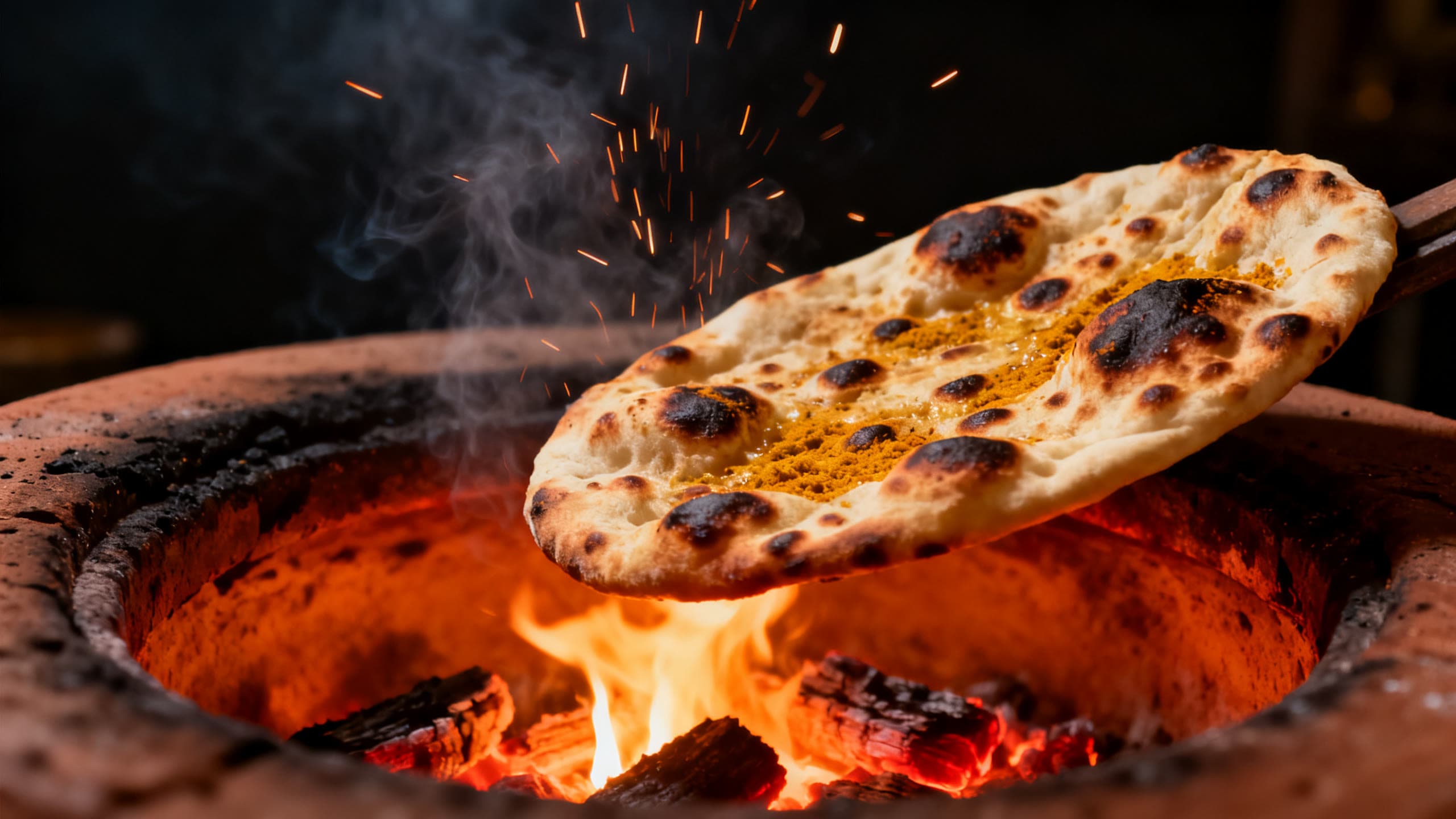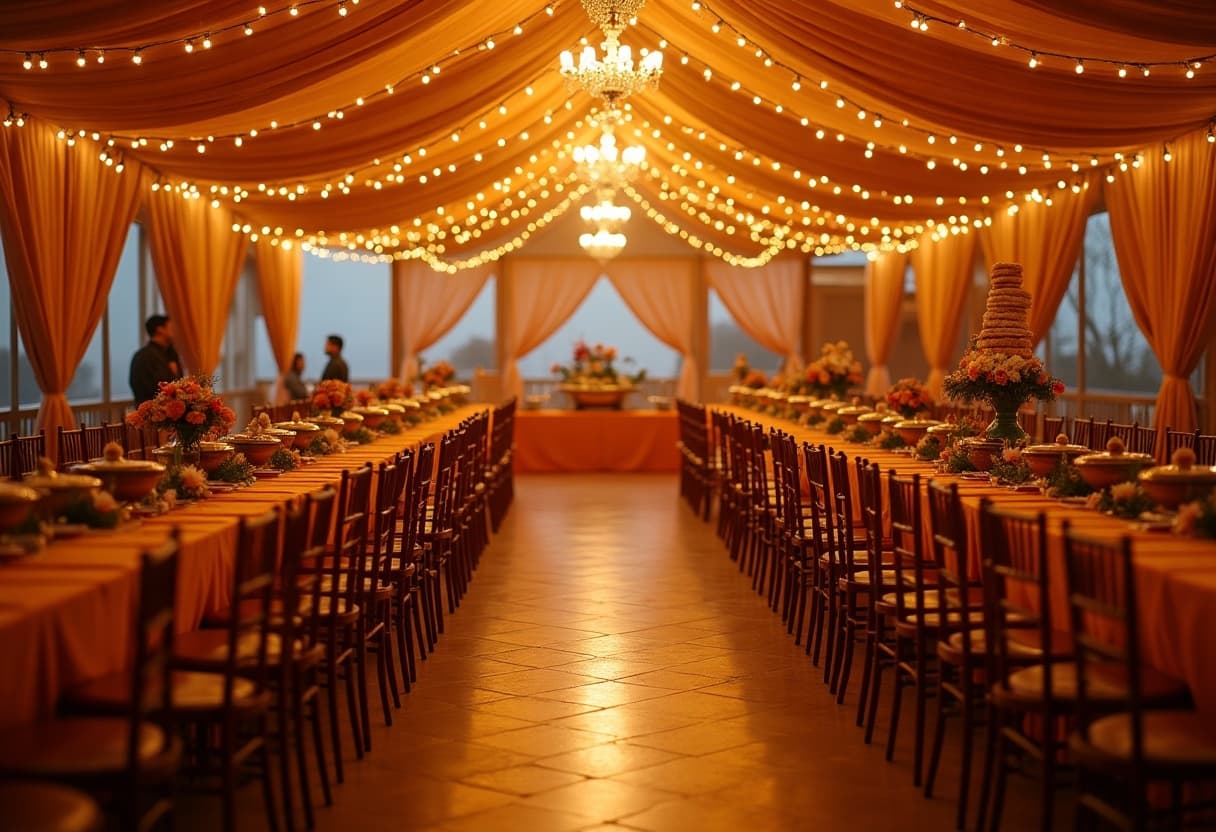
A Punjabi wedding is measured by its food. Families talk about the daal for weeks afterward, and guests remember whether the naan was fresh from the tandoor or sitting under a heat lamp. Building the menu is the single biggest decision you make after picking the date, and it deserves more than a checklist pulled off the internet.
This guide walks through how to plan a Punjabi wedding menu that feeds everyone well, respects tradition, and leaves room for the personal touches that make the day yours.
The Wedding Arc: Matching Food to Each Event
A Punjabi wedding is not one dinner. It is a series of events, each with its own food expectations.
Mehndi and Maiyan. These pre-wedding gatherings are casual and social. The food leans toward grazing: gol gappe made fresh, chaat papri, samosas, and pakora. A cold drink station with mango lassi and jaljeera keeps the energy up while hands are being decorated with henna. Portion for light eating, about 4 to 6 bites per person per hour.
Jago Night. The Jago is loud and festive, traditionally a late-night celebration. Hearty snacks work best here: stuffed paratha, chana chaat, and sweet lassi. If you are serving a full meal, a simple one-course buffet is plenty.
Anand Karaj (the ceremony). The ceremony itself is sacred, and the food reflects that. For Sikh weddings held at a gurdwara, the meal is traditionally vegetarian and served as langar, community-style on the floor or at long tables. A fully vegetarian Punjabi wedding menu is standard here, and many families keep the entire wedding vegetarian out of respect.
The Reception. This is where the menu goes wide. Most receptions run 200 to 500 guests, and the expectation is abundance. A typical reception buffet includes 2 appetizers, 4 to 6 main dishes, 2 types of rice, fresh bread, salad, and 2 desserts. Plated service is an option for smaller, more formal receptions.
Building the Course Structure
A well-built Punjabi wedding menu follows a progression. Think in layers, not a random collection of dishes.
Appetizers (6 to 8 per guest)
Start with street-food style items that wake up the palate. Gol gappe served with spiced water, samosa with mint chutney, vegetable pakora, and chicken tikka skewers for non-vegetarian crowds. If you are running a live station, a chaat counter where guests build their own plates is a crowd favorite and keeps the line moving.
Main Courses (2 dishes per 50 guests)
For a mixed menu, balance one meat and one vegetarian main per 50 guests. The classics hold up at scale: butter chicken, daal makhani, paneer tikka masala, and chole. Biryani, whether chicken or vegetable, serves as both a main and a starch. For a Kent wedding where Punjabi families expect tradition, proper daal cooked slow overnight matters more than a creative fusion dish.
Bread and Rice
Fresh tandoori roti and naan, made on-site, outperform anything pre-made. A live tandoor station at the reception is worth the cost. Count on 2 pieces of bread per guest. Rice should be fragrant and separate, not sticky. Plan about 4 ounces of cooked rice per guest if biryani is already on the menu, 6 ounces if it is the only starch.
Dessert (1 portion per guest)
Gulab jamun and kheer cover most Punjabi weddings. Adding a live jalebi station is a memorable touch. For larger weddings, a dessert table with 3 to 4 options lets guests choose without bottlenecks.
Dietary Accommodations Without Dumbing Down the Menu
A good Punjabi wedding menu feeds every guest, including the vegan cousin, the gluten-sensitive uncle, and the halal-required family friend.
The structure makes this easier than you might think. Daal, chole, and mixed vegetable sabzi are naturally vegan. Rice and most chutneys are gluten-free. Paneer dishes cover the vegetarian base, and halal meat sourcing is standard at most Punjabi caterers in the Pacific Northwest.
The key is labeling. Every dish at the buffet should have a card listing the name, ingredients, and dietary tags (V, VG, GF, Halal). This is not optional for a 300-guest wedding where guests cannot ask the server about every dish.
Portion Planning by Headcount
Rough guides for a full reception buffet:
| Item | Per Guest | 200 Guests | |------|-----------|------------| | Appetizers | 6 to 8 pieces | 1,400 pieces | | Main dishes | 6 oz each, 2 varieties | 75 lb total | | Rice | 5 oz | 62 lb | | Bread | 2 pieces | 400 pieces | | Dessert | 4 oz | 50 lb |
These are floor numbers, not targets. Punjabi weddings run on abundance. When in doubt, round up. Running out of food at a wedding is a failure that guests do not forgive.
The Tasting and Booking Timeline
Book your caterer at least six months ahead for wedding dates between May and October. Peak season in the Seattle and Kent area fills early, and the best dates at banquet halls on the East Hill and in South Seattle are gone by spring.
Every wedding should start with a tasting session. You taste the actual dishes before committing, adjust spice levels, swap a main, and finalize the menu with confidence. A caterer who will not do a tasting is a red flag.
What It Costs
Most Punjabi wedding catering in the Pacific Northwest runs between $15 and $40 per guest depending on the menu. A basic spread with daal, rice, naan, and two mains sits at the lower end. Premium menus with tandoori meats, biryani, live stations, and full dessert service sit higher. Add service staff, rentals, and on-site cooking if your venue lacks a kitchen.
You can see our wedding packages and pricing options for a sense of what fits your headcount and budget, or reach out through our contact page for a custom quote.
What Makes the Difference
The difference between a forgettable wedding dinner and one people talk about for years comes down to three things: freshness, tradition, and generosity. Fresh naan from a live tandoor. Daal makhani cooked overnight, not reheated. Enough food that the last guest eats as well as the first.
If you are planning a Punjabi wedding in the Seattle, Kent, or Tacoma area, the menu is where the day comes together. Start with the arc of events, build the courses to match, and do not be afraid to keep it traditional. That is what the food is for.